The Impact of Augmented Reality (AR) and Virtual Reality (VR) in Education
The arrival of augmented reality (AR) and virtual reality (VR) is shaking up classrooms and learning experiences worldwide. These technologies offer immersive, interactive lessons that help students see, touch, and manipulate ideas and information—making education more engaging and memorable than ever before.
Augmented reality brings digital elements into the physical world using smartphones or tablets. Students can visualize mathematical shapes in 3D or overlay historical artifacts on their desks. This hands-on access to abstract concepts fuels curiosity and builds deeper understanding that goes beyond textbooks.
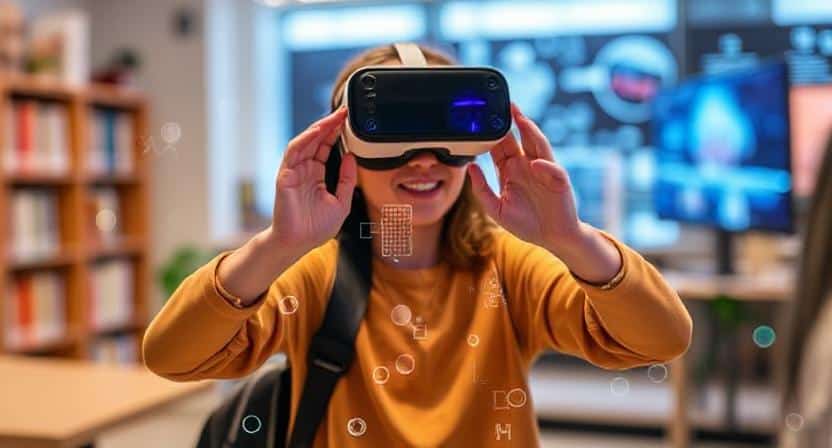
Virtual reality, on the other hand, carries learners into new worlds. With headsets and custom content, students can explore ancient civilizations, walk through the solar system, or dive into microscopic biological processes. Geography and history come alive as students travel virtually, sparking imagination and long-lasting knowledge.
Teachers value AR and VR for their ability to customize education. Visual learners benefit from detailed models, while kinesthetic students interact in simulated labs or field trips. AR tools break down language barriers and VR scenarios encourage safe practice for skills that would otherwise be costly, risky, or impossible.
AR and VR foster collaboration across borders. Pupils from different continents share virtual classrooms, tackling science experiments or language exercises together. These joint projects nurture teamwork, global awareness, and cultural appreciation—a vital edge in today’s interconnected world.
Special education is seeing profound benefit from immersive technology. Learners with disabilities can practice social and life skills in safe, tailored environments. Simulations accommodate unique needs, providing clarity, safety, and independence that traditional methods might not offer.
Science lessons receive a major boost with AR and VR. Students “dissect” virtual frogs, manipulate molecules, or view planetary movements in real time. These vivid experiences help make complex ideas accessible and memorable for every age group.
Risks and mistakes become learning opportunities in virtual environments. Future surgeons rehearse operations with lifelike accuracy. Pilots practice emergency maneuvers in VR, and technicians troubleshoot machines without risking costly damage. Such simulations build confidence and expertise safely.
Language learners use AR apps to engage with digital flashcards, pronunciation guides, and interactive scenarios. VR places students in simulated marketplaces, airports, or cultural gatherings, giving real-time feedback and improving conversational skills with immersive practice.
AR and VR are helping close gaps for remote and rural students. With a headset and connection, children can access lessons, labs, and experiences their schools may not physically offer. Virtual field trips turn isolation into opportunity, broadening horizons no matter where students live.
Teachers themselves find AR/VR invaluable for professional growth. Virtual workshops and simulated classrooms help educators refine skills, experiment with new teaching strategies, and gain confidence before implementation. These experiences save time and resources while fostering innovation.
Parental involvement is easier and more fun, too. Families can explore interactive stories, virtual museums, or educational games together, turning screen time into bonding and growth. This collaboration inspires kids and allows parents to stay active in their children’s learning journeys.
Privacy and equity must remain central as immersive technology grows. Schools and parents guard against data misuse and ensure content is safe, accurate, and appropriate. Initiatives for affordable access aim to close the digital divide so all learners—and educators—benefit equally.
Education in 2025 is no longer limited to the classroom. AR/VR now extends learning to homes, libraries, and communities. Lifelong learning becomes possible as retirees, professionals, and young children alike use immersive tech for enrichment, training, or pure curiosity.
Real stories show the effect. A student struggling with math grasped fractions by stacking virtual blocks. A classroom in Arizona met students in Japan for a joint history project. An aspiring engineer built virtual bridges, learning about forces and materials through immediate, visual feedback.
Universities are leveraging AR/VR for courses and research. Medical students practice surgery in safe simulations, business majors conduct virtual negotiations, and architects design cities with headsets. The boundary between academic study and hands-on experience is fading.
The growth of AR and VR is enabling new partnerships, too. Tech companies, nonprofits, and schools join forces to create relevant, engaging content. Curriculum designers work with developers to align immersive lessons with educational standards and goals.
The COVID-19 pandemic accelerated adoption. Social distancing made physical gatherings impossible, but immersive lessons kept students connected, motivated, and learning. As society adapts, these technologies are now core elements of resilient, future-ready education systems.
Looking ahead, improvements in content, hardware, and accessibility promise even deeper integration. Children may one day explore virtual galaxies or work alongside AI tutors offering adaptive guidance. The blend of imagination, information, and interactivity will keep education dynamic and effective.
Ongoing teacher training and thoughtful policies are essential to maximize rewards and minimize risks. Ensuring communities, underserved families, and schools of every size stay included will be key to the future of education.
Conclusion
Augmented reality and virtual reality are reshaping education into a vibrant, adaptive journey for learners of all ages. By offering hands-on experiences, personalized lessons, and global collaboration, AR and VR make education more engaging, inclusive, and memorable. Used thoughtfully, these technologies empower individuals, educators, and families—unlocking new worlds of opportunity and driving lifelong learning forward.