Internet of Things (IoT): How Connected Devices Are Transforming Businesses
The rise of the Internet of Things (IoT) is quietly changing how companies operate, compete, and grow. From massive corporations to small startups, businesses are embracing connected devices to streamline workflows, cut costs, and unlock new opportunities in ways that were unimaginable just a decade ago.
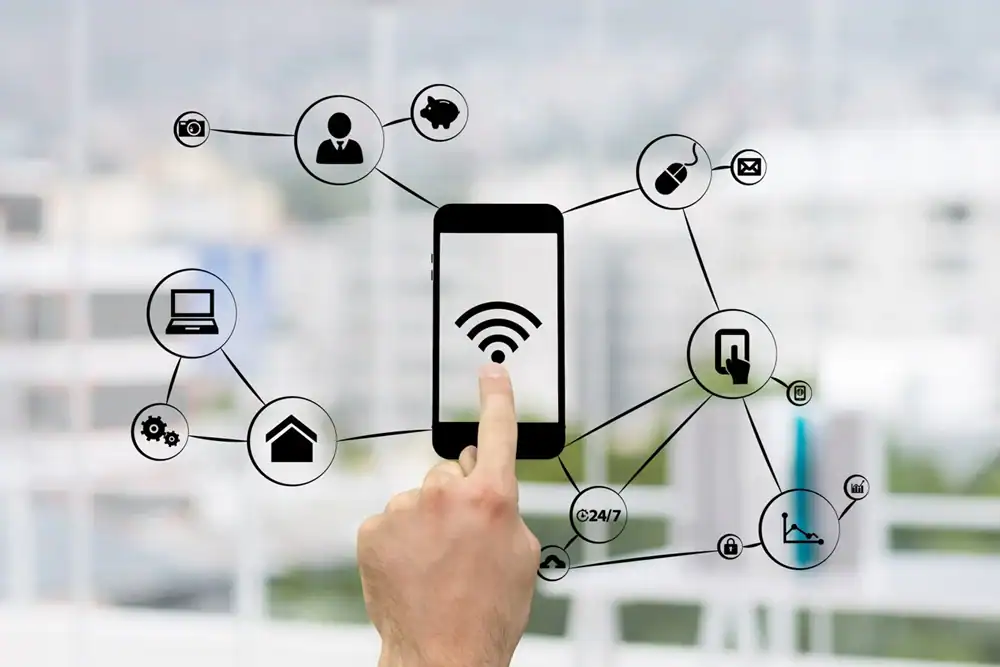
IoT refers to the network of sensors, smart machines, and everyday devices linked to the internet, sharing real-time data continuously. This connectivity isn’t just about gadgets—it’s about actionable insights, automation, and smarter decision-making for every business sector.
In manufacturing, IoT drives the concept of smart factories. Machines now monitor their own performance, predict failures, and schedule maintenance before breakdowns happen. This proactive approach saves money, minimizes downtime, and helps teams focus on improvement rather than emergencies.
Retailers are using connected devices to track inventory, deliver personalized shopping experiences, and manage supply chains that run like clockwork. Smart shelves know when to reorder, beacons send shoppers targeted promotions, and automated checkouts make buying seamless and satisfying.
Healthcare organizations leverage IoT for patient monitoring, asset tracking, and facility management. Wearable devices help doctors collect health data remotely, and smart beds can track patient movements to prevent injury—improving care and reducing costs for clinics and hospitals alike.
Logistics and transportation have been transformed by IoT, where vehicles, containers, and warehouses communicate in real time. GPS sensors optimize routing, monitor temperatures for sensitive shipments, and predict delays, leading to efficiency gains and happier customers.
Agriculture is witnessing a revolution, too. Farmers deploy sensors and drones to monitor soil conditions, predict irrigation needs, and manage livestock health. These insights have led to increased yields, reduced waste, and farming practices that are more sustainable and customer-driven.
Energy providers employ IoT to build smarter grids and manage resources efficiently. Connected meters help track consumption minute-by-minute, support dynamic pricing, and enable quick response to outages, making energy distribution more reliable than ever before.
The hospitality industry is redefining guest experiences with IoT. Hotels offer smart room controls, streamlined check-ins, and personalized service tailored through real-time data. Maintenance staff get alerts before equipment fails, keeping operations running smoothly.
Small businesses also benefit from IoT in affordable, practical ways. Local bakeries remotely manage refrigeration, cafes monitor coffee brewers for optimal performance, and artisans track sales analytics from Wi-Fi enabled point-of-sale devices—finding efficiencies and new ways to delight customers.
Across sectors, data from connected devices is used to shape strategy. Managers see patterns, trends, and bottlenecks instantly, allowing for swift pivots and innovation. Decision-making is informed by facts, not guesses, making businesses more agile and resilient.
IoT, however, introduces new challenges. Security is a big concern as each device represents a potential entry point for hackers. Businesses must prioritize strong encryption, regular software updates, and robust network management to keep sensitive data safe.
Privacy is also front of mind, especially as devices collect increasing amounts of personal and business info. Companies must communicate clearly with customers, ensuring consent and transparency in data collection and usage policies.
Scaling IoT solutions requires reliable infrastructure, from high-speed networks to cloud storage. Organizations invest in platforms that offer integration, ease of management, and the ability to support thousands—even millions—of devices with ease.
Employee engagement grows as IoT automates repetitive tasks, freeing people to focus on creative problem-solving. This shift is motivating teams, increasing job satisfaction, and helping businesses foster cultures of innovation.
IoT isn’t only about efficiency—it’s enabling bold new business models. Subscription services, predictive maintenance, and on-demand customization let companies deliver more value, retain customers longer, and differentiate themselves in crowded markets.
Success stories abound—a small manufacturer saw productivity double after automating sensor-driven supply lines; a farming cooperative expanded its reach by monitoring weather and crop data in real time; a logistics startup cut fuel costs with smart routing and fleet analytics.
Customer service is enhanced too. IoT data helps companies anticipate needs, offer personalized recommendations, and resolve issues faster. Happy customers mean positive reviews, repeat business, and referrals that drive sustainable growth.
The adoption of IoT is accelerating with advances in AI and machine learning. These technologies analyze data collected by devices, predicting trends, automating responses, and improving accuracy for everything from inventory forecasting to health diagnostics.
Mobility is a driving force in connected business, as employees use smart devices in the field. Whether tracking equipment status or coordinating teams, mobility paired with IoT keeps businesses nimble in a fast-changing world.
Regulations and standards are evolving as governments recognize both the promise and the risks of IoT. Compliance with privacy laws, security protocols, and industry standards is essential for businesses to retain trust and avoid penalties.
Training and support help employees adapt. Businesses invest in ongoing education, teaching teams to use IoT data wisely, keep networks secure, and grow skill sets as devices and systems evolve.
Looking ahead, businesses anticipate even deeper IoT integration. Connected devices may soon predict market shifts, automate entire supply chains, and personalize customer journeys with uncanny precision. Regular updates and ongoing innovation keep IoT at the forefront of business transformation.
Conclusion
The Internet of Things is much more than connected devices—it’s a movement reshaping how businesses operate, interact, and succeed. By harnessing IoT for automation, insight, and customer engagement, organizations of every size are finding new opportunities and navigating challenges with confidence. As connectivity expands, those who prioritize security, creativity, and adaptability will lead the way into a bright, connected future.